Source Touch Digitizer Glass for Repairs, Upgrades, and OEM Assembly
Compare 30 touch digitizer glass options from verified suppliers in Guangdong, China. Buyers can evaluate capacitive screens, OLED displays, and compatible models for various devices while reviewing pricing, MOQs, and shipping methods.
Key considerations
Products List




Comprehensive Sourcing Guide
Strategic Sourcing Guide for Touch Digitizer Glass Components
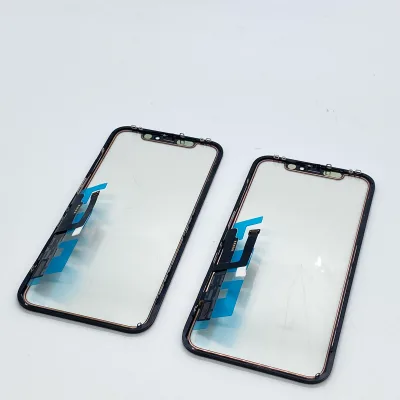
Procuring touch digitizer glass is a critical decision for manufacturers and repair distributors who rely on the integrity of display interfaces. The market offers a diverse array of components, ranging from standard capacitive screens to specialized OLED assemblies with custom curvature. A successful sourcing strategy requires a disciplined approach to verifying technical attributes, understanding cost structures, and ensuring supplier reliability without relying on unverified marketing claims. This guide outlines the essential factors buyers must evaluate when sourcing these components, based on observed market data and standard industry practices.
Technical Specifications and Display Architecture
The foundation of any successful procurement lies in matching the technical specifications of the digitizer glass to the intended application. The observed market data reveals a significant variance in display technologies, with OLED being a prominent type available for high-end applications. Unlike traditional LCDs, OLED displays offer superior contrast and response times, but they require specific driver integration and power management. Buyers must verify the Screen Size, as the data indicates a common threshold of > 4", which is standard for modern smartphones and tablets.
Resolution is another critical parameter. While specific pixel counts vary, some listings reference high-density metrics such as 1280xFunction:Touch Type, suggesting a need for precise resolution matching to ensure clarity and touch accuracy. The Touch Screen Type is predominantly Capacitive Screen in the current market, which offers multi-touch capabilities and high sensitivity. However, buyers should confirm the specific touch controller compatibility, as the Model Number often dictates the interface protocol. For instance, specific model numbers like Edge LCD or for A21 LCD indicate that the digitizer is engineered for specific device architectures, such as curved edges or particular chassis designs.
The physical dimensions of the component are equally important. The Single Package size can vary drastically, ranging from 21X10X10cm for compact units to 30X20X15cm for larger or bulkier assemblies. This variance impacts shipping costs and storage requirements. Furthermore, the View Angle is a performance metric that buyers should scrutinize; observed data points to a 45° angle in some contexts, which may be insufficient for wide-angle viewing applications. In such cases, buyers must verify if the component supports a wider viewing angle to prevent color shifting or brightness loss when viewed from the side.
Compliance, Certification, and Material Standards
When sourcing electronic components, compliance with international safety and quality standards is non-negotiable. The market data indicates that suppliers often list a suite of certifications, including CE, ISO, FCC, ECE, and DOT. These certifications suggest that the components meet specific regulatory requirements for electromagnetic compatibility, safety, and environmental standards in various regions. However, buyers must treat these as claims to be verified rather than guaranteed attributes of every listed product.
The Mirror Material is frequently identified as Glass, which is the industry standard for durability and optical clarity. Some advanced applications may require Double Curvature Mirror technology, which involves complex manufacturing processes to achieve a seamless fit on curved devices. The Position of the component, noted as Outside in some specifications, implies it is the outermost layer of the display assembly, directly exposed to user interaction and environmental elements. This necessitates high-quality glass with anti-fingerprint and scratch-resistant coatings.
Buyers should also verify the Standard of packaging and handling. The data mentions a standard of 360 pieces per carton, which is a logistical detail that affects inventory management. Additionally, the QC (Quality Control) status is a vital indicator of reliability. Listings often claim Tested 100% Working or Tested Strictly One by One, 100% Tested. While these are positive indicators, buyers should request specific test reports or sample batches to validate these claims before placing large orders. The absence of a specific Standard number in the provided data suggests that buyers must explicitly ask suppliers which international standards (e.g., ISO 9001) their manufacturing processes adhere to.
Cost Drivers and Pricing Dynamics
Understanding the cost structure of touch digitizer glass is essential for budgeting and margin analysis. The observed Price Range in the market spans from 0.5 to 335 USD, a wide disparity that reflects differences in quality, technology, and volume. The lower end of the spectrum likely corresponds to generic or lower-resolution components, while the higher end may include original equipment manufacturer (OEM) parts, such as those labeled Original LCD Touch Panel Digitizer Sensor Glass for specific brands like Apple IPhone.
Several factors drive these costs. The Brand Name plays a significant role; components branded as Af or those explicitly marked as for iPhone command different price points based on brand equity and compatibility. The Customization level is another major driver. While some suppliers offer Customization: Available, others list Customized: Non-Customized or Customized: Customized, indicating that bespoke designs or specific branding (OEM) will incur additional costs. The data shows OEM capabilities ranging from 1000 to 10000 units, suggesting that economies of scale significantly impact the per-unit price.
Payment Terms also influence the effective cost. Common methods include Western Union, T/T, and Money Gram. Buyers should consider the transaction fees and currency exchange risks associated with these methods. Additionally, the Selling Units vary; some items are sold as a Single Item, while others require a Multiple of 10. This minimum order quantity (MOQ) constraint can affect cash flow and inventory turnover. The MOQ Range observed is 1 to 2000, giving buyers flexibility but requiring careful negotiation to balance risk and cost.
Typical Applications and Compatibility
Touch digitizer glass is utilized across a broad spectrum of applications, from consumer electronics to automotive interfaces. The data highlights specific compatibility with models such as for A21, for iPhone11, 11pro, 12, and various iPhone series including X, XS, XR, 11, 12. This specificity underscores the importance of precise model matching. A digitizer designed for one device may not fit or function correctly on another, even if the screen size is similar.
The Controlling Type is listed as Manual in some contexts, which may refer to the interface method or the testing procedure. However, in modern applications, these components are integrated into complex electronic systems. The Pixel count, noted as 300Million in one instance, suggests high-resolution applications, possibly for professional displays or high-end mobile devices. The Flatness is described as Conforming Article, indicating that the component meets specific geometric tolerances required for proper assembly.
Applications also extend to automotive or industrial sectors, where the Position and Mirror Type are critical. For example, Double Curvature Mirror glass might be used in dashboard displays or heads-up display systems. Buyers must ensure that the Applicable Model matches their target device exactly to avoid compatibility issues that could lead to returns or assembly failures.
Supplier Evaluation and Quality Assurance
Evaluating suppliers requires a rigorous assessment of their capabilities and track record. The Place of Origin is consistently listed as Guangdong, China, a major hub for electronics manufacturing. While this indicates access to a robust supply chain, buyers should verify the specific factory location and capacity. The Brand Name Af and others suggest a mix of branded and generic suppliers.
Quality assurance is paramount. The QC claims of Tested 100% Working are common, but buyers should demand evidence. The Single Gross weight varies between 1.000kg and 2.000kg, which can be a proxy for the density and quality of the materials used. Heavier components might indicate higher-quality glass or additional shielding, but this must be verified against the technical specifications.
Shipping Ways such as DHL, UPS, FedEx, and TNT are standard for international logistics. Buyers should evaluate the supplier's ability to handle these logistics reliably, especially for time-sensitive orders. The Warranty period, typically 1year, is a key metric for supplier confidence. A longer warranty might indicate higher quality, but it also implies a higher risk for the supplier, which could be reflected in the price.
Long-Term Procurement Considerations
Sourcing touch digitizer glass is not a one-time transaction but a long-term partnership. Buyers must consider the Customization capabilities for future product iterations. The data shows Customize values of 1000 and OEM values of 10000, suggesting that suppliers can scale with the buyer's needs. However, the Customized status varies, so buyers must clarify if the supplier can support ongoing design changes.
Packaging Details are also a long-term consideration. The prod_packing methods range from Sea Paper Carton to Wooden Box, and the Package size per batch is 15X10X10 cm. Consistent packaging ensures that components arrive undamaged and are easy to store. The Single Package dimensions and Gross weight affect storage costs and shipping efficiency.
Finally, buyers should monitor the Market Figures and Test Results over time. While specific test data is not provided in the current context, buyers should establish a protocol for periodic quality audits. The Payment terms and Lead Time (though not explicitly listed, implied by shipping methods) should be standardized to ensure smooth operations. By focusing on these long-term factors, buyers can build a resilient supply chain that adapts to market changes and technological advancements.
Comparative Analysis of Component Attributes
To facilitate decision-making, the following table summarizes key attributes observed in the market data, highlighting the variance in specifications that buyers must navigate.
| Attribute Category | Observed Variance | Key Consideration for Buyers |
|---|---|---|
| Display Technology | OLED, LCD, Edge LCD | Verify compatibility with device architecture and power requirements. |
| Screen Size | > 4" (General), Specific Models | Ensure physical dimensions match the device chassis exactly. |
| Touch Type | Capacitive Screen | Confirm multi-touch support and controller compatibility. |
| Certifications | CE, ISO, FCC, ECE, DOT | Request valid certificates for target markets; do not assume universal compliance. |
| Material | Glass, Double Curvature Mirror | Assess durability needs and optical clarity requirements. |
| Customization | Available, Non-Customized, OEM | Clarify MOQ for custom orders and lead times for design changes. |
| Warranty | 1 Year (Standard) | Negotiate terms for extended coverage or replacement policies. |
| Packaging | Sea Paper Carton, Wooden Box | Evaluate protection levels for international shipping and storage. |
This comparative analysis underscores the necessity of a detailed specification sheet for every procurement request. By systematically evaluating these attributes, buyers can mitigate risks and ensure the acquisition of high-quality touch digitizer glass components that meet their specific operational needs.
FAQs
What display technologies are available for touch digitizer glass?
OLED is a prominent display technology available for high-end applications. Unlike traditional LCDs, OLED offers superior contrast and response times but requires specific driver integration. Buyers must verify the screen size and resolution to ensure compatibility with their intended device architecture.
Which certifications should I verify for touch digitizer glass components?
Suppliers often list CE, ISO, FCC, ECE, and DOT certifications for their components. These suggest compliance with international safety and electromagnetic standards. However, buyers must treat these as claims to be verified rather than guaranteed attributes of every listed product before placing orders.
How does the price range vary for touch digitizer glass?
The observed price range spans from 0.5 to 335 USD depending on quality and technology. Lower prices likely correspond to generic components while higher prices may include original equipment manufacturer parts. Brand name and customization levels significantly influence the final cost per unit.
Can I find touch digitizer glass with specific model compatibility?
Yes, components are engineered for specific device architectures like for A21 or iPhone models. The model number dictates the interface protocol and physical fit. Buyers must ensure the applicable model matches their target device exactly to avoid assembly failures or returns.
What quality control standards apply to these digitizer glass parts?
Listings often claim 100% tested working or strictly one by one testing. While these are positive indicators, buyers should request specific test reports to validate reliability. The single gross weight can also serve as a proxy for material density and quality verification.
How are touch digitizer glass components typically packaged and shipped?
Packaging methods range from sea paper cartons to wooden boxes with specific batch sizes. Shipping ways include DHL, UPS, FedEx, and TNT for international logistics. Buyers should evaluate the supplier's ability to handle these logistics reliably, especially for time-sensitive orders.